
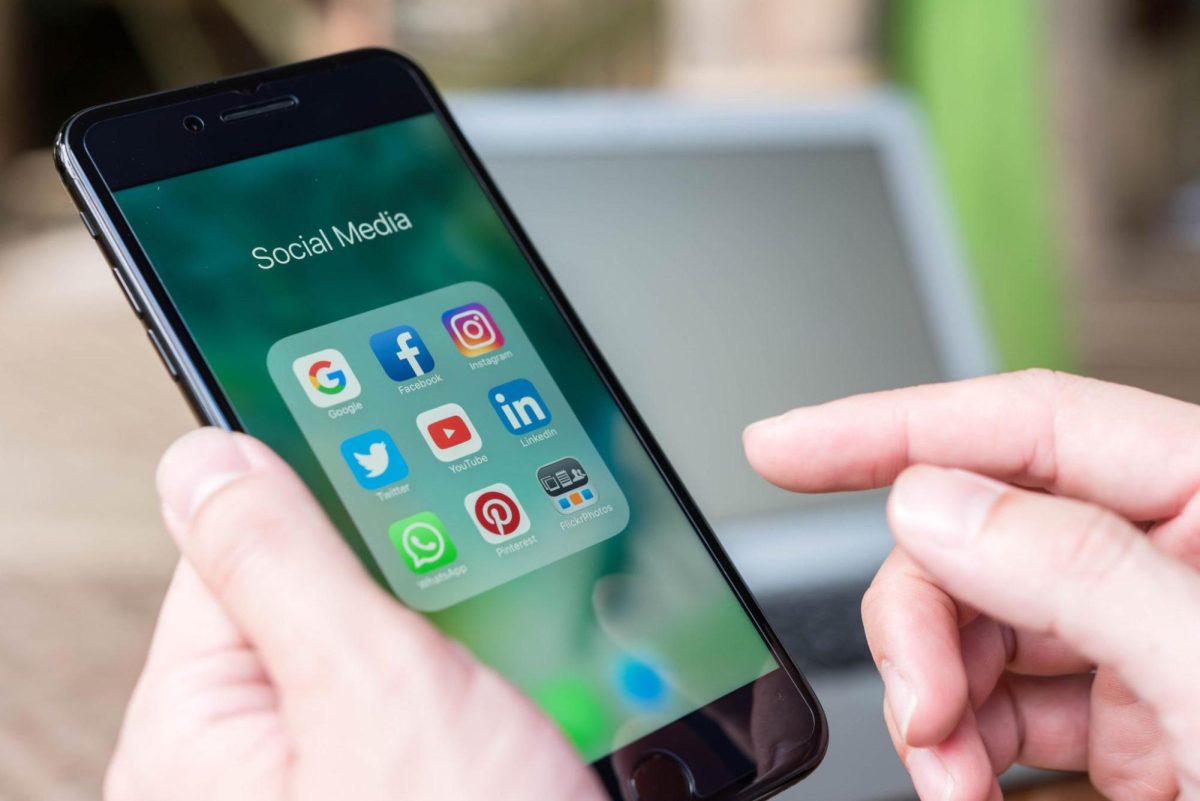
Social media has become an undeniable force in the 21st century, permeating nearly every aspect of our lives. From the way we communicate to how we consume news and form opinions, its influence is pervasive. But is this influence a net positive? The answer, like most things, is complex.
On one hand, social media has democratized information and amplified marginalized voices. It allows individuals to connect with like-minded people across geographical boundaries, fostering communities and facilitating social movements. The Arab Spring, for example, demonstrated the power of social media to mobilize citizens and challenge authoritarian regimes. Moreover, social media platforms provide a space for individuals to express themselves, share their stories, and build online identities.
However, the rise of social media has also brought about a host of challenges. The spread of misinformation and fake news has eroded trust in institutions and fueled political polarization. Cyberbullying and online harassment have become rampant, causing significant harm to individuals’ mental health and well-being. Furthermore, the addictive nature of social media platforms can lead to decreased productivity, social isolation, and a distorted sense of reality. The curated nature of online profiles often creates unrealistic expectations and fosters feelings of inadequacy and anxiety.
Too much social media consumes most of our lives, leaving us out of touch with reality and with people. We often give up our time with people and the world to be glued to our phones, iPads, computers, and laptops. It makes you forget that there is more to the world than just being on social media. The things we see on social media often make us feel the need to follow trending topics that could be dangerous to others or ourselves.


