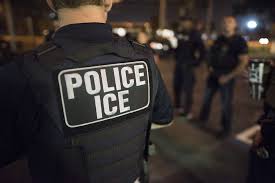
Immigration and Customs Enforcement (ICE) has long been controversial, but one issue stands out for both safety and professionalism; agents often operate without clear, visible identification. Many wear plain tactical gear, use unmarked vehicles, or provide only verbal identification, leaving civilians unsure who they are actually dealing with.
This practice raises serious concerns. All legitimate law-enforcement agencies rely on visible badges, marked uniforms, and identifiable vehicles to build trust, which will never happen, and prevent abuse. When identification is unclear, accountability disappears, vulnerability increases, and trust begins to decline.
The biggest dangers are the unknown and impersonation. The unknown is that people don’t know where the deportations are going; ICE itself doesn’t tell us where they are going or what they are doing with them.
Across the country, criminals have posed as ICE officers to extort money, coerce families, force entry into homes, or intimidate undocumented communities.
When real ICE agents don’t mark themselves, it becomes nearly impossible for civilians to tell who is legitimate. No one should have to guess whether an armed person at their door is a real officer; no one, in general, should have to be worried about being taken out of their home and away from their families forcefully.
Critics argue that allowing ICE to operate without visible identification is unprofessional and unsafe and that it should be illegal. Many are calling for strict rules requiring clear badges or patches, immediate credential presentation upon contact, and consequences for officers who fail to identify themselves correctly.
Whether someone supports or opposes ICE’s broader mission, one thing is undeniable: transparency protects everyone. Clear identification is a basic standard of law enforcement, and without it, trust and safety erode. Reforming this practice would strengthen accountability and prevent dangerous impersonation, benefiting both officers and the public.