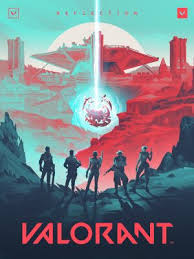
Riot Games’ Valorant stormed onto the PC gaming scene with a clear mission: to challenge the dominance of established tactical shooters like Counter-Strike. And in many ways, it succeeded. Valorant’s blend of precise gunplay, strategic agent abilities, and intricate map design has cultivated a dedicated player base and a thriving esports scene. However, beneath its competitive appeal lie critical flaws that hinder broader accessibility and long-term potential.
One of Valorant’s undeniable strengths is its emphasis on teamwork and strategic depth. Unlike some shooters that devolve into individual frag-fests, Valorant demands coordinated teamwork and clear communication. Each agent’s unique abilities force players to think strategically about team composition and tactical execution. This creates a rewarding experience for those who invest in learning the game’s intricacies and working collaboratively with their teammates. The feeling of executing a perfectly coordinated play combining agent abilities and map control is genuinely satisfying.
However, Valorant´s commitment to precise gunplay presents a significant barrier to entry for many players. The game’s unforgiving recoil patterns and headshot-centric meta demand a level of mechanical skill that can be daunting for newcomers. While skill-based gameplay is a hallmark of competitive shooters, Valorant´s learning curve can feel excessively steep, potentially alienating casual players or those unfamiliar with the genre.
Moreover, the focus on individual aim can sometimes overshadow the importance of teamwork, leading to frustrating experiences when players prioritize personal performance over strategic objectives. Ultimately, while Valorant offers a compelling tactical experience for dedicated players, its accessibility issues may limit its long-term growth and broader appeal.